
Shingles
Key Characteristics:
- Cause: Reactivation of the varicella-zoster virus.
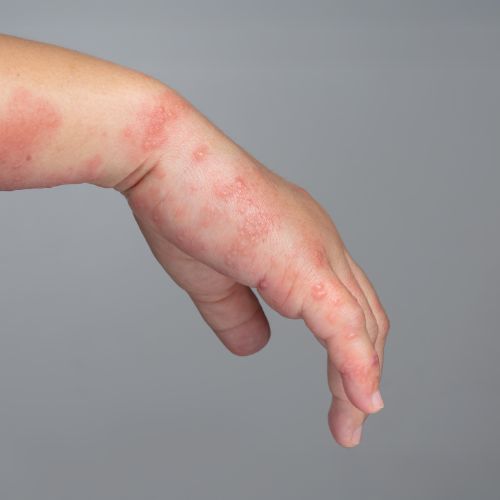
- Appearance: The rash usually appears as a single stripe or band of fluid-filled blisters that wraps around either the left or right side of the torso or face, following a nerve pathway (dermatome).
- Painful: Shingles is known for causing significant pain, which can be described as burning, shooting, or stabbing, and often precedes the appearance of the rash by several days.
-
Duration: The rash typically scabs over in 7 to 10 days and clears up within 2 to 4 weeks, although some symptoms may last up or beyond 12 months in people with weakend immune systems.
Rhode Island's Preferred Choice
Why Choose Us?

Inclusive Care
Our team is fluent in English, Spanish, Portuguese, and Laotian. We gladly serve everyone from infants to senior citizens.

Urgent Appointments
Time is essential when facing an emergency, so call us today for an appointment. You will never have to wait for an urgent appointment.

Caring Staff
Our compassionate team provides personalized attention and support throughout your treatment journey.

Convenient Location
Easily accessible location in the heart of Rhode Island with ample parking and flexible scheduling.

Latest Technology
State-of-the-art equipment and cutting-edge treatments for optimal results and patient comfort.

Patient Satisfaction
Consistently high patient satisfaction scores and positive outcomes across all our services.
Schedule an
Appointment Today!

Testimonials
What Our Patients Say
Donna
Dr Shane is always thorough and professional. I’ve been coming here for many years with always a positive experience.His staff is friendly, compassionate and professional. I never have to wait long at my appointments.

Alan
From the receptionist to the dermatologist, all were/are helpful and professional.
Carla
Kind professional services provided in a timely manner. I sppreciate Taylor always gives me options and values my input.