Rosacea Treatment
What Is Rosacea?
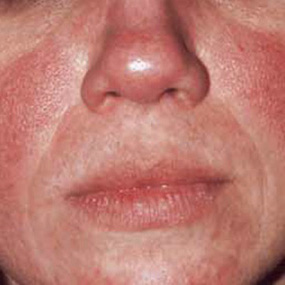
Rosacea is a chronic skin condition that causes facial redness, visible blood vessels, acne-like pimples, swelling, and sometimes watery or irritated eyes. The inflammation generally affects areas like the cheeks, nose, chin, forehead, and eyelids, and can impact more than 14 million Americans. Rosacea is not contagious, but tends to run in families and commonly begins after age 30, cycling between flare-ups and periods of remission.
Signs, Symptoms, and Triggers
Early signs include persistent redness and the appearance of small spider veins on the face. If left untreated, rosacea can lead to bumps, pimples, skin thickening (especially around the nose), as well as eye symptoms. Flare-ups are often triggered by things like sun exposure, hot drinks, alcohol, spicy foods, temperature extremes, stress, or certain medications. While the exact cause is unknown, genetic, environmental, and immune system factors play a role.
Rosacea Treatment Options
Although there is no cure for rosacea, a range of treatments are available to help manage symptoms and prevent flares:
-
Topical Medications: Prescription creams or gels containing metronidazole, azelaic acid, ivermectin, brimonidine, or oxymetazoline to reduce bumps, pimples, and facial redness.
-
Oral Antibiotics: Such as doxycycline for moderate to severe rosacea with inflamed bumps or pimples.
-
Oral Retinoids: Powerful acne medications (like isotretinoin) may be considered in severe cases.
-
Laser and Light Therapies: Procedures targeting visible blood vessels and persistent redness.
-
Lifestyle and Skin Care: Avoiding triggers, using gentle skin care products, sun protection, and stress management can help minimize symptoms and flares.
A dermatologist can recommend a personalized combination of therapies based on the specific symptoms and severity of your rosacea.

Rhode Island's Preferred Choice
Why Choose Us?

Inclusive Care
Our team is fluent in English, Spanish, Portuguese, and Laotian. We gladly serve everyone from infants to senior citizens.

Urgent Appointments
Time is essential when facing an emergency, so call us today for an appointment. You will never have to wait for an urgent appointment.

Caring Staff
Our compassionate team provides personalized attention and support throughout your treatment journey.

Convenient Location
Easily accessible location in the heart of Rhode Island with ample parking and flexible scheduling.

Latest Technology
State-of-the-art equipment and cutting-edge treatments for optimal results and patient comfort.

Patient Satisfaction
Consistently high patient satisfaction scores and positive outcomes across all our services.
Schedule an
Appointment Today!

Testimonials
What Our Patients Say
Donna
Dr Shane is always thorough and professional. I’ve been coming here for many years with always a positive experience.His staff is friendly, compassionate and professional. I never have to wait long at my appointments.

Alan
From the receptionist to the dermatologist, all were/are helpful and professional.
Carla
Kind professional services provided in a timely manner. I sppreciate Taylor always gives me options and values my input.