
Hyperhidrosis / Excessive Sweating
There are two main types of hyperhidrosis:
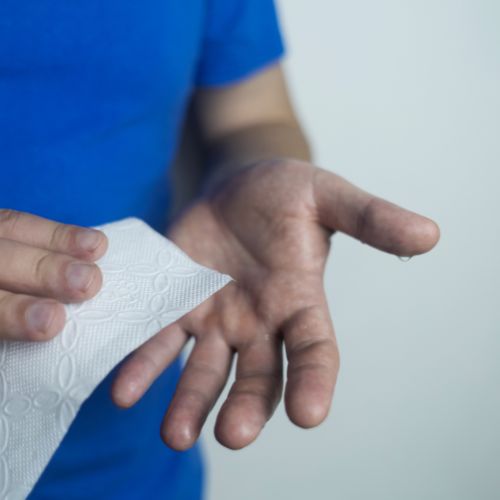
- Primary Focal Hyperhidrosis: This is the most common type and usually affects specific areas of the body symmetrically (on both sides). The cause is often unknown but appears to run in families, suggesting a genetic link. The most commonly affected areas are the palms of the hands, soles of the feet, armpits, and sometimes the face or scalp. It typically begins during childhood or adolescence and the sweating usually stops during sleep.
-
Secondary Generalized Hyperhidrosis: This type of excessive sweating is a symptom or side effect of an underlying medical condition (such as diabetes, hyperthyroidism, menopause, or certain infections or cancers) or a medication. The sweating can occur over larger, more generalized areas of the body and may also happen during sleep.
Rhode Island's Preferred Choice
Why Choose Us?

Inclusive Care
Our team is fluent in English, Spanish, Portuguese, and Laotian. We gladly serve everyone from infants to senior citizens.

Urgent Appointments
Time is essential when facing an emergency, so call us today for an appointment. You will never have to wait for an urgent appointment.

Caring Staff
Our compassionate team provides personalized attention and support throughout your treatment journey.

Convenient Location
Easily accessible location in the heart of Rhode Island with ample parking and flexible scheduling.

Latest Technology
State-of-the-art equipment and cutting-edge treatments for optimal results and patient comfort.

Patient Satisfaction
Consistently high patient satisfaction scores and positive outcomes across all our services.
Schedule an
Appointment Today!

Testimonials
What Our Patients Say
Donna
Dr Shane is always thorough and professional. I’ve been coming here for many years with always a positive experience.His staff is friendly, compassionate and professional. I never have to wait long at my appointments.

Alan
From the receptionist to the dermatologist, all were/are helpful and professional.
Carla
Kind professional services provided in a timely manner. I sppreciate Taylor always gives me options and values my input.