
Wart Treatment
What Are Warts?
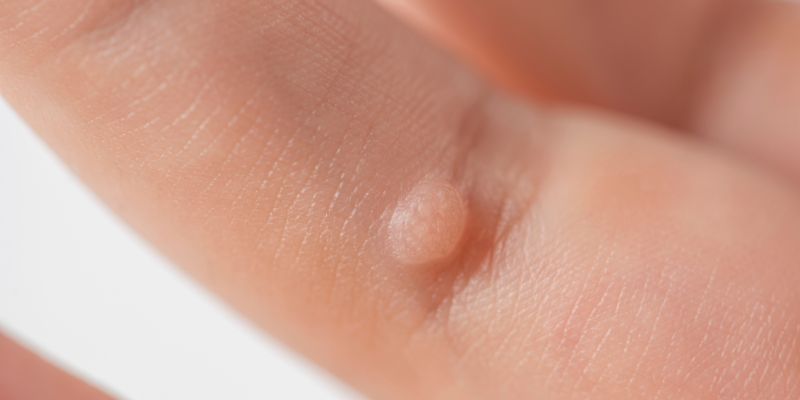
Warts are small, noncancerous skin growths most commonly found on the hands and feet, though they can appear almost anywhere on the body. They vary in appearance—some are flat and smooth, while others might be dome-shaped or resemble cauliflower. Warts often match or contrast with your normal skin tone and may appear singly or in clusters.
Causes and How Warts Spread
Warts are caused by different strains of the Human Papilloma Virus (HPV), which infects the top layer of skin, often entering through cuts or breaks. The virus can be spread by direct skin contact, through shared objects, or from one part of the body to another. Warts are benign and usually painless, although some may itch, and they can affect people of all ages.
Types of Warts
-
Common Warts: Hard, raised bumps with rough surfaces, generally found on hands, fingers, or knees.
-
Flat Warts: Smooth, flattened lesions that often show up on the face, hands, or shins.
-
Plantar Warts: Hard, sometimes painful lumps on the soles of the feet, often with small black dots.
-
Filiform Warts: Thread-like growths, often appearing on the face.
Wart Treatment Options
Although warts may resolve on their own, removal is sometimes desired for comfort or cosmetic reasons:
-
Over-the-counter treatments: Products with salicylic acid can help dissolve wart tissue over time.
-
Cryotherapy: Physicians may freeze warts with liquid nitrogen, causing them to fall off after a few treatments.
-
Prescription treatments: Topical creams like imiquimod or stronger acids may be used in stubborn cases.
-
Minor procedures: Electrosurgery, laser removal, or minor surgical excision may be necessary for resistant warts.
If left untreated, warts can persist for months or even years, but most are harmless and will eventually disappear without intervention. For persistent or painful warts, consult a dermatologist for expert care.
Rhode Island's Preferred Choice
Why Choose Us?

Inclusive Care
Our team is fluent in English, Spanish, Portuguese, and Laotian. We gladly serve everyone from infants to senior citizens.

Urgent Appointments
Time is essential when facing an emergency, so call us today for an appointment. You will never have to wait for an urgent appointment.

Caring Staff
Our compassionate team provides personalized attention and support throughout your treatment journey.

Convenient Location
Easily accessible location in the heart of Rhode Island with ample parking and flexible scheduling.

Latest Technology
State-of-the-art equipment and cutting-edge treatments for optimal results and patient comfort.

Patient Satisfaction
Consistently high patient satisfaction scores and positive outcomes across all our services.
Schedule an
Appointment Today!

Testimonials
What Our Patients Say
Donna
Dr Shane is always thorough and professional. I’ve been coming here for many years with always a positive experience.His staff is friendly, compassionate and professional. I never have to wait long at my appointments.

Alan
From the receptionist to the dermatologist, all were/are helpful and professional.
Carla
Kind professional services provided in a timely manner. I sppreciate Taylor always gives me options and values my input.