Mole Treatment
What Are Moles?
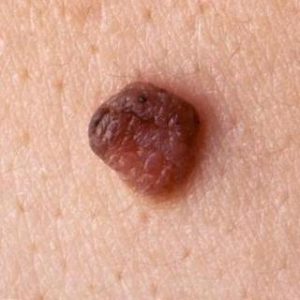
Moles are common skin growths that appear as brown or black spots, usually round or oval, and can be either flat or raised, smooth or rough, and may occur singly or in groups. They develop when pigment-producing cells (melanocytes) cluster together, rather than spreading evenly throughout the skin, and most adults have between 10 and 40 moles. Most moles are less than 1/4 inch (6 mm) across, and while many develop before the age of 20, new moles can also appear later in life and may gradually fade over decades.
Types and Risk Factors
Certain moles carry a higher risk of developing into skin cancer:
-
Congenital Nevi: Moles present at birth; larger congenital moles are associated with a greater risk of melanoma.
-
Atypical (Dysplastic) Nevi: Irregularly shaped and larger than usual, often with varied color and blurred borders; these moles may appear different from others and are a sign for increased vigilance.
-
High Mole Count: Having 50 or more moles increases your lifetime risk of melanoma.
Warning Signs and Self-Checks
While most moles are harmless, changes in size, shape, color, or texture may indicate a risk of skin cancer, including melanoma. Some warning signs include bleeding, pain, itching, or scaling. It’s recommended to do a thorough skin self-check every month, examining areas that don’t get sun exposure, such as the scalp, armpits, and soles of the feet.
The ABCDEs of Skin Cancer
The American Academy of Dermatology’s ABCDE checklist can help you remember key features of suspicious moles:
-
A – Asymmetry: One half is unlike the other in shape or color.
-
B – Border: The edges are irregular, scalloped, or poorly defined.
-
C – Color: Look for uneven colors or multiple shades within a single mole.
-
D – Diameter: A mole is concerning if it’s larger than 6 mm (about 1/4 inch), but cancer can develop in smaller moles too.
-
E – Evolving: Any mole that changes in size, shape, color, elevation, or exhibits new symptoms like itching or bleeding should be checked by a dermatologist.
Regular monitoring and early detection are key to ensuring skin health and catching potential problems at their earliest stage.
Please note that this information is not an official diagnosis, nor should it be used for self diagnosis. For more information please reference the American Academy of Dermatology here.

Rhode Island's Preferred Choice
Why Choose Us?

Inclusive Care
Our team is fluent in English, Spanish, Portuguese, and Laotian. We gladly serve everyone from infants to senior citizens.

Urgent Appointments
Time is essential when facing an emergency, so call us today for an appointment. You will never have to wait for an urgent appointment.

Caring Staff
Our compassionate team provides personalized attention and support throughout your treatment journey.

Convenient Location
Easily accessible location in the heart of Rhode Island with ample parking and flexible scheduling.

Latest Technology
State-of-the-art equipment and cutting-edge treatments for optimal results and patient comfort.

Patient Satisfaction
Consistently high patient satisfaction scores and positive outcomes across all our services.
Schedule an
Appointment Today!

Testimonials
What Our Patients Say
Donna
Dr Shane is always thorough and professional. I’ve been coming here for many years with always a positive experience.His staff is friendly, compassionate and professional. I never have to wait long at my appointments.

Alan
From the receptionist to the dermatologist, all were/are helpful and professional.
Carla
Kind professional services provided in a timely manner. I sppreciate Taylor always gives me options and values my input.